Monday, April 26, 2010

synthesis

synthesis
the cloth is mostly done. It only needs fine tuning now- I hope it doesn't take another three months!
All the tying is done with string, coins and beads. Koshchei the deathless is in there....

behind the three towers, three birds who are really young men
stitching for unfolding
stitching before painting
the bird-suitors, on their way to becoming
the longest, straightest line I've ever stitched. half way down I realised the basting should probably be on the other side- it worked, anyway. the cloth hangs straight and even
trial telling.
it folds and unfolds like a storybook with popups, the skeleton in the closet is a great success, the beads and coins shine and sparkle, and give it weight to hang straight, the cloth dances in the breezeI am proud of the cloth. now the telling has to become more impressive than the cloth!
there are many bits of me stitched into that cloth
it feels weird, that I have an öbject"
my art until now was in winged words or dancing waves of air... this cloth is still there after the telling is done.
hmmm

Friday, March 26, 2010

hell is the dark side of paradise

ΕΔΕ απο Χρυσοχοϊδη, τα ΟΥΚ ανήκουν στο Λιμενικό!

Posted using ShareThis


this video shows greek special commandos shouting racist slogans, still in formation right after the parade for national independence day yesterday
I am terrified and ashamed
violence is in the city, fear in the souls
oh, it is so difficult, at times to be part of this

Thursday, March 25, 2010

inorganic pigments(preview), some onion skins, alkanet, landscape and plants

onion skins, cotton
and linen.
photo by my dear friend and coleague Mats Rehnman who popped over from Sweden for world storytelling day

another of Mats;s photos. this is Rhamnous, an ancient port. Yes, it was named after the persian berry producing bush which is still prolific in the area. I think I've mentioned before that I think I live in dyeland....
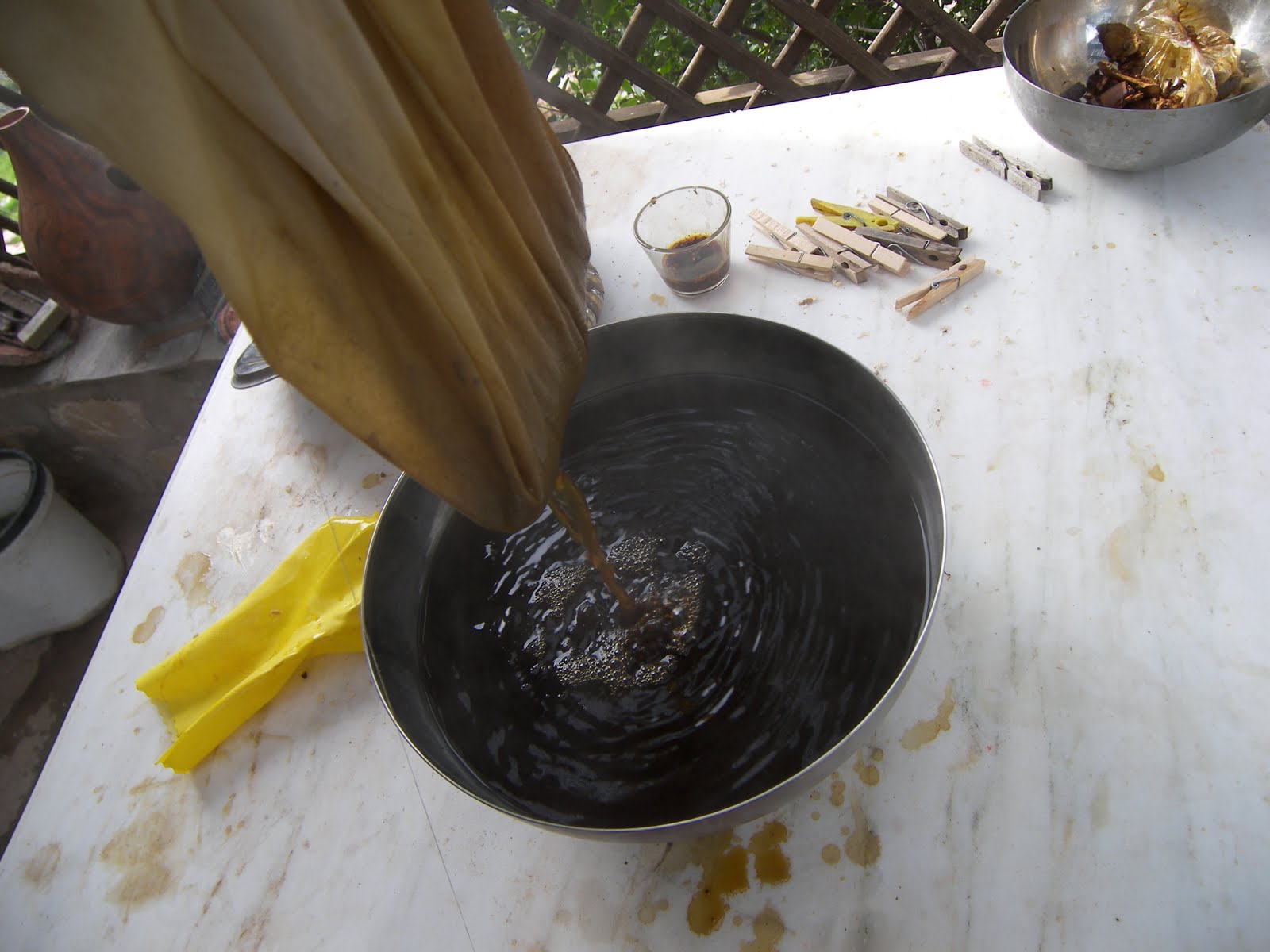
straining pomegranate dyebath. I;ve been dyeing metres and metres of thick cotton for my current project
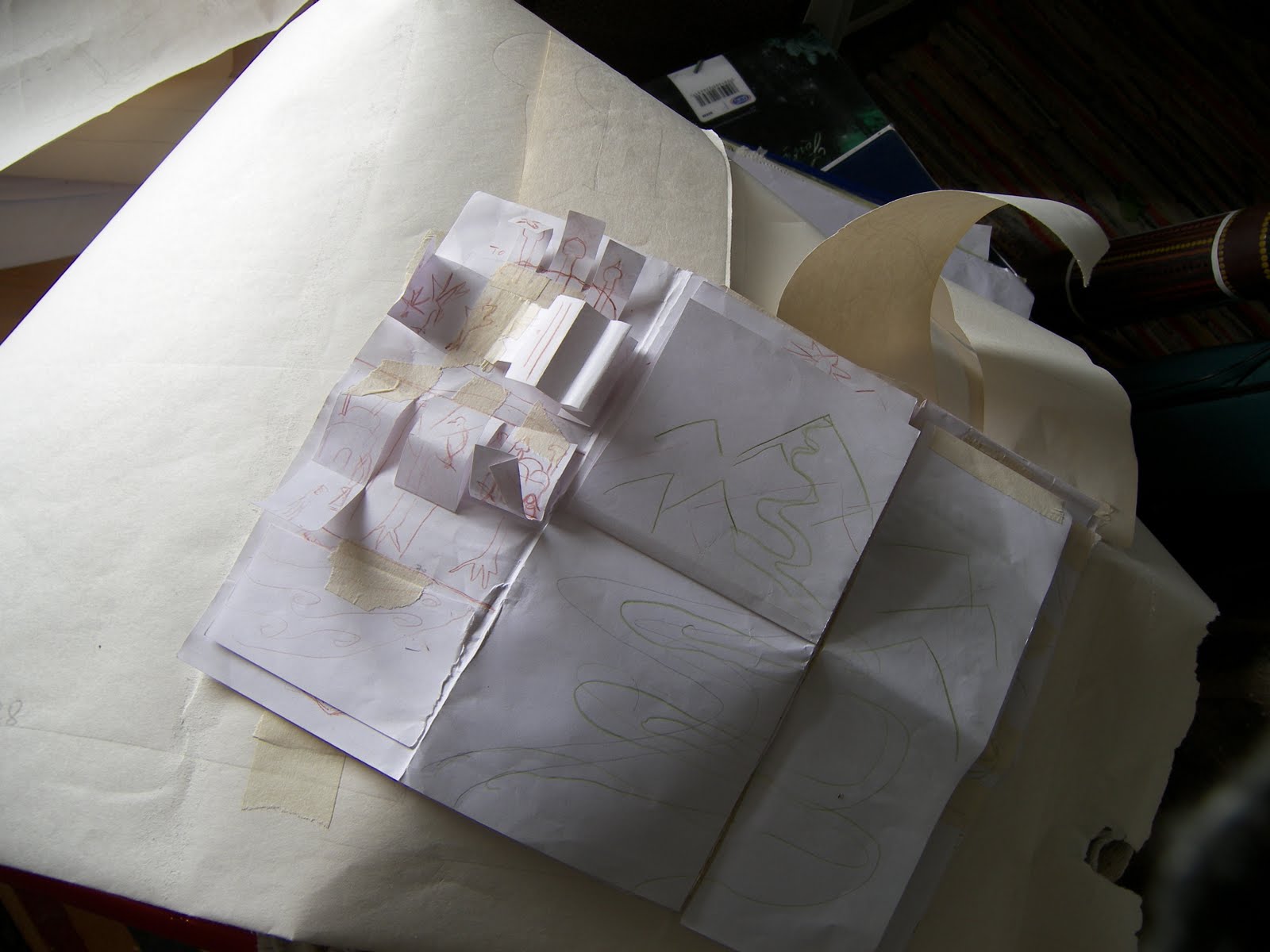
which is a painted storycloth, an illustrated storytelling par. this is on of the plans I've made, on paper
moon rising
I am using inorganic pigments with soymilk as binder and sizing. this is linen. It is absolutely beautiful when painted on.
this is an alkanet dyebath, a linen dress, I extracted the colour with alcohol
this is what I do with the remnants of mixed colours
in the red is genista tinctoria, in the blue.....what else indigofera. still waiting
violets.
new leaves on rosebush in the early sunlight

and me with a part of the storycloth. this is the baba yaga place. The cloth is one of my milky pre mordanted cloths from last year, it is perfect for painting on, no wicking. I had two of these cloths, one soaked in yogurt, one in kefir, diluted with water. both are stiff and smell a little cheesy. This is what I've been up to, the weather is warming up, the flowers are in a wild dancing mood, giving their all before the heat sets in. paradise.

Thursday, February 25, 2010

how to make a traditional ragdoll from greece, a koutsouna

all you need

first the head, with the ridge in front
then the body, a cylinder, wind tightly
tie the body with the strip of cloth, tightly so that it stays attached to the neck. this is what makes me think that the lack of arms is intentional. It is easy to make this strip longer and give her arms
this is the "elegant" stage, like a cycladic sculpture
the shirt
the apron
the headscarf, longest side over the forehead. thesedays children call it a bandanna. until they notice the older ladies in the village, and say "look, a koutsouna~"
you can tie it in front,
or around the front and tied in the back. take care to cut the scarf wide enough, it is fiddly to tie when it is too short, and it gives character to the koutsouna.
from behind
this is to see the face, made by the walnut inside. the photo is dark, i'm sorry, but the shadows wouldn't show up with the flash.look at the walnut carefully, and at peoples heads. if you put it upside down, it doesn't work.
all the knots are simple- do you call them overhand knots? the first stage in shoelace tying. you want to be able to undo them easily, to give your koutsouna a change of dress, or body, or why not- face!
this is an article on traditional clothing
girls used to make baby koutsounes as well, and their first weavings were baby blankets, woven on a tile, for koutsouna babies.
Naomi, happy dollmaking and lots of hugs

tutorial in a while...

just came back from childrens hospital, little one broke his wrist. He is ok, not a bad break (he only got half a cast, for three weeks)
I'll try and get the koutsouna tutorial posted later, after I've fed the boys
it was a not very worried trip to this hospital, but after we left I remembered, in my body, sinking heart, rubbery legs, other times which were more stressful
the best part was when in the car home, on top of pendeli mountain I shouted swearwords to the wind, not too hardcore but inventive, the boys did the same, after asking permission
we came back home smiling.

Tuesday, February 23, 2010

pomegranate, a

preparing, yesterday
everything out, on the table
skeining thin crochet yarn
waiting for inspiration. sometimes even just looking at these books does it... india flints eco colour and J. Liles, with very different approach, alchemy in the meeting of opposites
I decided to start with an ash water soak, and think about protein later. at the same time, I was trying to decide which kind of tannin yellow I want to dye an old sheet with stains, for a storytelling project. The sheet went into the lye bath, Rumex roots gathered last year....too much work to grind them, and they would need soaking. I could gather schinus tops and kermes acorns...too brownish, too lazy
and I remembered that I had a bag of pomegranates, drying, from last year
suddenly a flurry of activity! I dug out those pomefranates, they were dry but springy, not hard, with the seeds still in them. I poured warm water over them, it immediately turned dark red...beautiful. there is some gauze soaking in that first juice, to be solar dyed
when the rinds were softer, I chopped them up. I took the sheet out of the ashwater after a couple of hours and I hung it out to dry.
later, I put it in the dyepot after adding more water to the very dark pomegranate juice. it immediately took up colour (the greenish tinge I think is from the fluorescent light)

I decided not to boil it, just simmered very gently for a couple of hours. I didn't mind it not being dyed evenly so I left all the rinds and seeds in the pot, where the sheet was really jammed in. a kind of bundle. I turned off the heat and left it there all night
this is what came out of that pot, golden in the first light of day. It is a cheating picture, of course, this is straight out of the pot, still wet, unrinsed, in the lovely early morning light. the colour is so beautiful, I had to share.
it will get browner as it dries, and I've seen some tannic yellows get darker with time. I'll show you what happens.
this is all very exciting, the bath still looks strong, I will try for some greys and blacks with rusty metalthis is the acropolis in dust from Africa. The south wind is the reason winter bypassed us this year. we'll see
I sowed Isatis tinctoria, woad,yesterday, seeds, in the old vegetable plot. It rained lightly in the evening- how's that for a good omen?
oh, yes- i did check the ph of all the liquids (new set of ph papers)
the ashwater: 9-10
pomegranate liquid 5-6
dyebath: 7, with unrinsed but dried ash soaked sheet in it
today the dyebath is a definite 6
I'll let it stand with the rinds and seeds in it to see what happens.

Sunday, February 21, 2010

ragladies and a saint

One day, at the folklore museum in the village of Varnavas I found this
he is a saint, an icon with a cheap print face, lovingly embellished in piety by a nun.
I thought you would like to see him.he stands in the kitchen of the museum, not deemed interesting enough to be exhibited.

a few rag ladies. they are called "koutsounes" in greek, children used to make them with scraps of cloth, clothes that had been worn to rags, in the time when all clothes, every fabric in the house was handmade.they have a walnut for a head, if you place it well you get a proper head with facial characteristics. All scraps are tied, there is no sewing involved, small children can make them if you help with the cutting and tying, and they can be undressed and dressed again indefinitely.they look like real people,. they don't have arms or hands, but village ladies would never wave theirs around in public, they would keep them folded across their breasts or in their pockets. if you are careful how you tie the body to the head, with cloth, of course, string or yarn would be too precious, you can create a suggestion of breasts...
children love it when I tell them that :-)) and when teachers look at me I go into teaching mode and talk about how wisely tradition found a way of portraying the real human body ;-)the very little ones like to draw eyes and mouths on their faces, older ones are satisfied with the suggested scuptural features of the walnut. Every time I make them I am amazed at the economy and art that is involved in such a simple work of representation. the ladies always turn out elegant, as a work of art, and powerful in their abstraction. If you give them enough cloth for their bodies they can even sit..
many children go to the piles of rags and surrepititiously take some to make another one at home. I never stop them.
Related Posts Plugin for WordPress, Blogger...